How to Prepare Prior To and Following Pest Control Service in Windsor
If you have scheduled pest control Windsor appointment, a little preparation makes a big difference toward better results, safer application, and less hassle later. A good professional exterminator will outline the process, but your own inspection prep and post-service care can support the work runs more smoothly in your Windsor, ON home.
This article is created for actual Windsor conditions, not a one-size-fits-all list. Windsor’s warm, humid summers can boost ants, cockroaches, and mosquito pressure, and older neighbourhoods often have more entry points, small gaps, and basement moisture issues. Homes near the Detroit River and the Lake St. Clair corridor may also see higher pest pressure because of moisture and seasonal changes. If you live in a condominium or apartment near downtown Windsor or in a denser area of the city, you may also have shared-wall concerns that change how you prepare and what happens after treatment.
What do I need to do before pest control service?
Before the service visit, your primary task is to make the technician’s work more efficient and less risky. The purpose is to improve access for the inspection and treatment, reduce clutter, and follow the treatment instructions closely so the application reaches the right areas. Good preparation helps a home inspection find the source of the infestation and supports effective, long-term prevention.
Start with clutter removal in rooms where pests are active or where treatment will be applied. Shift boxes, shoes, pet toys, and storage bins away from walls so the technician can treat baseboards, behind furniture, and other hidden areas. Reducing clutter also makes it easier to spot pest activity and prevents pests from using stored items as shelter.
Then, focus on kitchen and food storage. Put food into closed containers or the fridge, and clear counters where possible. Any open pantry items should be boxed up according to the service instructions. The phrase follow the label matters here: if the product requires food to be covered or removed, do that exactly as directed. This is especially important with residual spray treatments, where surfaces should be left undisturbed in the treated zones.
Take extra note of pet safety. Put away pet bowls, toys, bedding, and litter boxes if they’re in or near treatment areas. For fish owners, cover or relocate aquariums as instructed by the pest control provider; pumps and filters may need extra protection from overspray. If you have dogs, cats, birds, or other pets, ask in advance how to protect children and pets before, during, and after the service visit.
A final pre-treatment step is think about the type of pest and the method being used. For example, gel bait may be placed in hidden spots for cockroaches or ants, while rodent work may involve access to crawlspaces, wall voids, or attic pathways. A thorough inspection helps the technician choose the right mix of non-chemical steps and targeted product placement as part of integrated pest management.
- Clear away obvious clutter and create clear access along walls and under basins.
- Keep food properly and empty open containers when needed.
- Keep pets and children away from treatment zones before the appointment begins.
- Report concerns about sensitivities, delicate areas, or previous pest issues.
- Ask what kind of product will be used and what you should do beforehand.
What is the best way to prepare each room in my Windsor home?
Preparing each room separately makes the process much easier, especially in Windsor houses where layouts can vary from older detached homes to new condos and stacked townhomes. A smart plan helps you prepare your home in a way that supports both the inspection and the treatment.
Preparing the bedroom
In bedrooms, move beds slightly away from the wall if asked, especially if the technician needs access to the baseboards or nearby cracks and crevices. For issues like bed bug problems, prep may include laundering bedding, reducing piles of clothing, and avoiding overhandling items that may spread the infestation. Keep nightstands clear so the technician can inspect and treat around frames, corners, and outlets.
If the treatment targets bed bugs, follow the provider’s preparation guidance carefully. Do not assume that heavy cleaning will solve the issue on its own; instead, support the treatment with the recommended steps and avoid undoing the product placement.
Bathroom preparation
Bathrooms often attract pests because of moisture, plumbing gaps, and hidden storage. Clear items from under sinks and around tubs so the technician can check for possible entry areas and signs of moisture-related pest pressure. In older Windsor homes, minor leaks or worn caulking can create opportunities for ant problems, cockroach activity, and even rodents to move in.
If your bathroom has strong humidity, report it. Moisture is a major factor in pest infestations, and fixing leaks is part of a broader hygiene and prevention strategy.
Basement preparation
Basements deserve special attention in Windsor, especially in older homes where moisture in basements is common. Move items off the floor if possible and make room around walls, floor edges, utility rooms, and storage shelves. This helps the technician inspect for cracks, water intrusion, and pest pathways.
Basement prep often center on cracks and crevices, utility penetrations, and other concealed entry paths. As many pests enter from below grade, basement prep https://toronto-onkk298.iamarrows.com/restaurant-pest-control-in-windsor-on can have a big impact on long-term control. If your basement feels humid or stale, mention it during the inspection, since moisture often fuels ongoing pest activity.

Apartment preparation
Residents in apartments and condos in Windsor face a few extra considerations. In a condominium or apartment, pests may move from unit to unit, so the service may concentrate on your suite plus nearby shared areas if allowed. Clear access to walls, cupboards, and appliances, and tell the property manager or superintendent about the appointment if building rules require notice.
In dense housing near downtown Windsor, preparation also means taking into account neighbors. A technician may need a coordinated approach for cockroaches, ants, or bed bugs if the infestation affects multiple units. Be sure you understand the service expectations before the appointment.
Should I leave the house during the service?
Whether leaving is necessary depends on the product, the infestation type, the severity of the infestation, and the instructions from the company. For most treatments, leaving the home is recommended while treatment is active, especially if a residual spray is being applied in living spaces or if the technician is treating a large infestation. Your exposure risk may be low when you follow closely the directions carefully, but it is still important to observe the re-entry rules.
The main point is re-entry time. This is the delay before it is safe to return to the treated area. Your technician will explain exactly how long to stay out, whether the space needs ventilation, and which rooms are off-limits. It is part of the standard safety precautions used to protect children and pets and keep the household safe.
Certain treatments allow occupants to stay inside if they can avoid the affected rooms, while others require everyone to leave for a set period. If the job involves bed bug treatment, a cockroach cleanup, or a rodent control plan with multiple entry points, the specialist may have stricter instructions. Be sure to check before the work begins rather than guessing.
Following the treatment, unseal windows only if the provider advises to do so. Adequate ventilation can help clear odors and support comfort, but it should not replace the given re-entry guidance. If someone in the home has asthma, chemical sensitivities, or respiratory concerns, note that during booking so the plan can reflect your family safety needs.
If uncertain, consider the written directions from your pest control provider as part of your protection plan. The goal is not just to get rid of pests today, but to handle it with proper family safety and little disruption.
What should I do once pest control service?
What you do once the treatment is done can matter almost as much as the setup before it. Good after treatment habits allow the product work properly and support longer-lasting results. Start by following any post-treatment cleanup instructions from the technician. In many cases, that means avoiding mopping treated baseboards, wiping away product from protected areas, or disturbing bait placements too soon.
If the service included a residual insecticide, remember that its job is to stay in place long enough to work on hidden or recurring pest activity. Cleaning too soon can reduce effectiveness. For that reason, many providers explain exactly when it is okay to resume normal cleaning. If you’re unsure, ask for cleaning guidance before the technician leaves.
Monitor the monitoring zones. You may still see some pests after treatment, especially if the infestation was active or widespread. A few sightings do not always mean failure; sometimes the product is continuing to affect hidden pests. Watch for reduced pest activity over time, and document what you see so you can share useful details during the next service visit.
If your provider recommends a follow-up inspection, make the appointment. It helps confirm whether the treatment is working and whether any additional areas need attention. In many cases, a follow-up treatment is part of a larger plan for infestations involving bed bugs, cockroaches, or rodents.
- Wait the full re-entry period before using treated rooms normally.
- Do not scrub treated areas unless the technician says it is safe.
- Look for signs of pest activity, droppings, or new damage.
- Track where you see pests and when you see them.
- Attend all scheduled follow-up visits if they are part of the service.
How do I protect my Windsor home after pest treatment?
Preventive care is where many Windsor homeowners see the most value from pest control. Once the immediate issue is treated, the next goal is to prevent reinfestation by focusing on blocking access, sanitation, and controlling dampness. These steps are especially important in older Windsor neighbourhoods, where age-related wear can create more access points for pests.
Exclusion is preventing pests from getting inside in the first place. Look for gaps around doors, windows, utility lines, and foundation joints, then work on sealing gaps and sealing entry points. Also small openings can count. Rodents can take advantage of tiny weaknesses, and insects often enter through the same hidden routes around siding, vents, and pipe penetrations.
Hygiene equally serves a key part. Leave kitchens neat, take garbage outside routinely, and minimize crumbs, grease, and standing water. Good sanitation supports integrated pest management because it removes the food and shelter that pests need to thrive. It is especially useful for ants and cockroaches, which are strongly drawn to food residue and moisture.
Food storage remains important after treatment. Use sealed containers for pantry goods, store pet food sealed, and do not leave fruit or snacks out overnight. In summer, when Windsor’s humidity can boost pest pressure, these habits become more important still.
Finally, control moisture. Check for water leaks, bad drainage, condensing pipes, and moist corners, particularly in the basement. Basement moisture can encourage insects and make it more likely for pests to hide. In homes near the Detroit River or Lake St. Clair corridor, shifting weather and humidity can make this issue more noticeable, so routine checks are worth doing.
What happens if pests come back after treatment?
If you still see pests after the visit, don’t worry. Recurrence can happen for different reasons, including new activity from concealed nests, a larger infestation than first visible, or pest movement from neighboring units in a condo or apartment. The key step is to report what you’ve observed so the provider can assess whether the issue is expected or requires a new strategy.
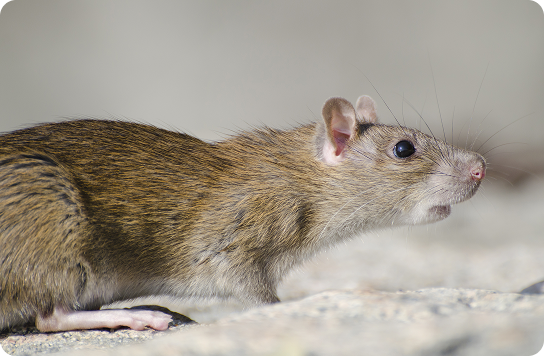
See whether your service includes a warranty. Some businesses offer terms that cover certain pests for a set period, especially when the homeowner follows the instructions and allows the treatment to work. Retain your service records, notes on sightings, and any recommendations about re-treatment or preventive work.
This is also where integrated pest management becomes important. A strong plan is not just spraying and leaving. It combines inspection, targeted product use, chemical-free steps, sanitation, exclusion, and ongoing tracking. That approach can be more successful for repeated issues with bed bugs, cockroaches, ants, and rodents than relying on a single product alone.
If the problem reappears, reach out to the company for expert follow-up. A qualified team can determine whether the issue involves overlooked entry points, moisture, shared-wall transfer, or a need for a different additional follow-up treatment. For homes in older Windsor areas, or in dense housing near downtown, the right next step often depends on the building type and the pest involved.
Frequently inquired FAQs about pest control prep and aftercare
What length of time should I stay out of my house after pest control service?
The specific re-entry time depends on the method used, the room treated, and the pest problem being addressed. Your technician should give clear safety instructions before the work starts. In some cases, you may return after a quick pause and some ventilation; in others, you may need to stay away longer for full family safety. Always follow the instructions given for your individual service visit.
Should I clean before or after pest control treatment?
Do both, but in different ways. Before the appointment, do light prep: reduce clutter, move items for access, and improve food storage. After treatment, follow the company’s cleaning guidance so you do not remove product too soon. In many cases, especially after a residual spray, the best approach is to clean only the areas you were told to avoid and wait on treated surfaces until it is safe.
Can I leave food out during a pest control visit?
No, it is usually better to put food away. Proper food storage protects your household and helps the technician work efficiently. Store food in sealed containers, remove dishes from counters, and keep pet food closed as well. This is one of the most basic before treatment steps and is especially important in kitchens where ants and cockroaches are active.
What should I do if I still see pests after treatment?
Some pest activity can continue briefly after treatment, depending on the pest and product. Keep monitoring and write down where you see them. If sightings continue or increase, call for a follow-up treatment or professional follow-up. If your service includes a warranty, report the issue promptly so the company can confirm whether the recurrence is covered.
How do I keep pests from reappearing in Windsor homes?
Focus on lasting prevention: maintain strong cleanliness, repair leaks, reduce lower-level moisture, and continue sealing gaps and closing off entryways. In Windsor, that matters even more because summer humidity can drive more ants, cockroaches, and mosquito problems, while older homes may have more cracks and access points. A solid integrated pest control plan, combined with regular checks and exclusion, is the best way to stop pests from returning.
When you’re getting ready for pest control Windsor service, the simplest rule is this: prepare your home thoroughly, follow the technician’s instructions, respect re-entry and ventilation guidance, and keep up the prevention steps afterward. That approach gives you better outcomes whether you’re dealing with bed bugs, cockroaches, ants, rodents, or a seasonal infestation influenced by Windsor’s weather and housing conditions.
Mosquito Man Windsor
2485 Front Rd, LaSalle, ON N9J 2C5, Canada
+1 226-526-4711
https://maps.app.goo.gl/JwhSC65zfbLWNH6v7
https://mosquitoman.ca/pest-control/windsor/
42.2161228, -83.1003005